During paramilitary forces from the brutal Rapid Support Forces (RSF) overrunning the biggest urban center in western Sudan – carrying out mass executions, sexual assaults and ethnic cleansing with weapons reportedly provided by the UAE – the NBA’s annual Emirates NBA Cup commenced on Halloween night, proudly sponsored by the very same Middle Eastern nation.
An Expanding Partnership During Conflict
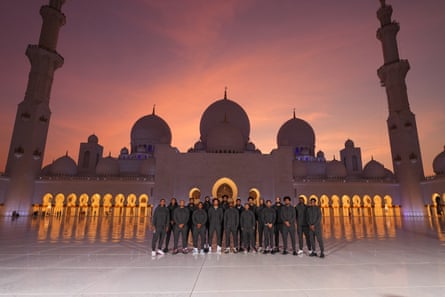
The tournament is the clearest example of the league's growing relationship with the UAE – a partnership that encompasses yearly exhibition matches in Abu Dhabi, a valuable sponsorship deal with a UAE-based carrier, and proposals for a proposed NBA Global Academy at a university campus in Abu Dhabi.
Larger agreements could follow. Reports indicate the NBA is pursuing Abu Dhabi’s investment in a proposed NBA-branded European league, which could launch as early as 2027.
This blossoming partnership has already paid dividends for each party: the NBA has gained a wealthy backer, while the UAE has identified a willing partner to help burnish the image of its authoritarian government, especially as it confronts allegations of fueling atrocities in Sudan.
The UAE's Controversial Human Rights Profile
Beneath its image of wealth and modernity, the UAE enforces silence with an iron fist. Dissidents and activists languish in prisons on arbitrary charges, punished for challenging the state. The country's economic prosperity rests on foreign workers, who make up a large percentage of the labor force and who toil with limited protections and little recourse against exploitation.
Its influence reaches bloodier terrain abroad. A growing body of reports links the UAE authorities to Sudan’s RSF, the paramilitary faction responsible for many of the horrors and crimes against humanity occurring in Sudan.
The Tragedy of The Sudanese Civil War
Sudan’s internal conflict started in April 2023, when tensions between the Sudanese military and the RSF thrust the country into a state of full-scale warfare. Cities such as the city of Khartoum were transformed into war zones, devastating essential services and causing the world’s largest refugee emergency.
As the civil war approaches its third year, casualty figures differ significantly. Aid agencies have documented many thousands of confirmed deaths. Separate studies suggest the toll may be far greater, with tens of thousands killed as a direct result the fighting.
This war has also been characterized by horrific atrocities such as sexual violence, abuse, mutilation and ethnic cleansing. This was vividly demonstrated when a major city in Darfur fell to the RSF. The fighters embarked on a campaign of slaughter so severe that images of the violence was visible from space.
From the beginning of the war, the UAE have reportedly financed and equipped the paramilitary group, thereby supporting the group’s atrocities. The authorities have even brought a case to the International Court of Justice alleging the UAE of genocidal complicity. In spite of significant proof to the opposite, the UAE persistently rejects any participation in the war.
Sportswashing and International Silence
In recent months, the UAE has staged high-profile tournaments in cricket, basketball, mixed martial arts, and motorsport. Upcoming are a golf championship and padel tournaments. Apart from a few instances, teams and leagues have made little effort to dissociate from the disputed nation.
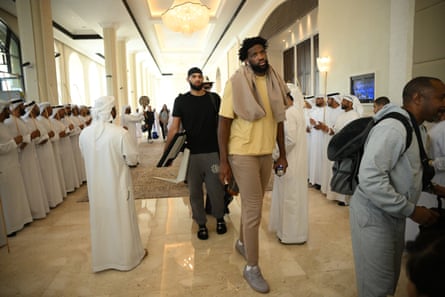
The UAE has gained significantly from the athletic community's inaction. Financial stakes in football clubs, sports leagues, and various projects have recast the ruling family as savvy investors rather than authoritarian rulers.
However, the ongoing massacre in Darfur has provoked some rare critical attention for the UAE. Some supporters have even condemned their club’s owner for the alleged involvement in the Sudan conflict.
A Call for Accountability
The silence around the NBA’s recent deal with the UAE is concerning. Among the handful to criticize the NBA for normalizing the UAE’s role is an NGO that advocates for the rights of displaced people. Their message read: “The Emirates NBA Cup should highlight the positive aspects in everyone. Yet, it’s being used to whitewash crimes fueled + funded by the UAE in Sudan. The NBA shouldn’t let itself to be a pawn in the UAE’s normalization of human suffering.”
Nevertheless, sports teams and leagues rarely sever lucrative partnerships without pushback. At a European soccer giant's annual meeting, an activist who previously led a successful campaign to end a sponsorship deal with a different Gulf state was shouted down by attendees after voicing objections about a fresh deal with the UAE’s flag carrier.
He charged the club of “propping up the reputation of sketchy political regimes” and cautioned that the deal risked causing “lasting damage to the standing of our club”. For his remarks, he was ridiculed by the club’s chief executive.
This event further emphasizes how effective the Gulf state’s brand management efforts have been, making dissent seem out of place even within famous sports institutions.
A Final Reflection
It is unlikely the NBA, which has partnerships with other controversial regimes, to publicly address the UAE’s conduct … consider the possibility. What if mass atrocities, war crimes and systemic repression were red lines for international athletic organizations.


